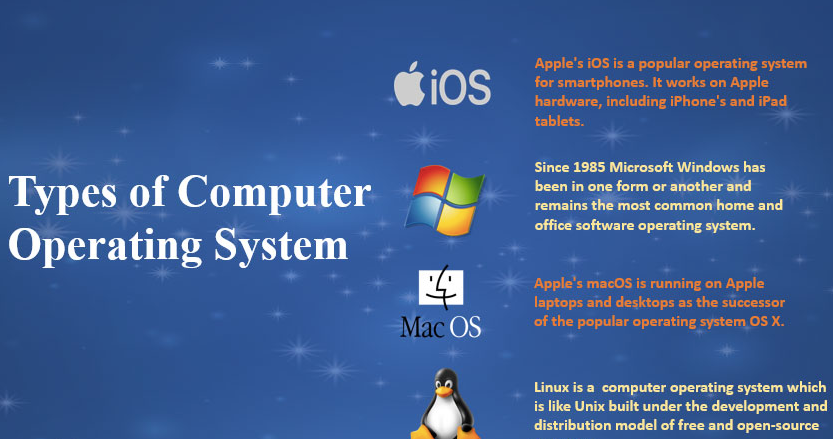
In the ever-evolving landscape of mobile technology, two giants stand tall: iOS and Android. As the dominant operating systems powering millions of smartphones and tablets worldwide, the rivalry between Apple and Google intensifies with each passing year. From innovative features to security enhancements, both platforms vie for the hearts and minds of consumers, shaping the future of mobile *computing* .
Apple's iOS ecosystem continues to set the standard for seamless integration and user experience. With the recent release of iOS 16, Apple introduced a slew of new features aimed at enhancing productivity, creativity, and privacy. From the revamped Control Center to the redesigned Notification Center, iOS users enjoy a sleek and intuitive interface designed to streamline everyday tasks.

On the other side of the spectrum, Google's Android platform continues to thrive on its ethos of openness and customization. With the rollout of Android 14, Google emphasizes a user-centric approach, focusing on personalization, accessibility, and sustainability. From customizable home screen widgets to adaptive themes and dynamic app icons, Android users enjoy unparalleled freedom to tailor their devices to their unique preferences.
Furthermore, Google's commitment to accessibility shines through features like Live Caption and Sound Amplifier, making technology more inclusive for users with disabilities. With advancements in machine *learning and AI-driven experiences* , Android pushes the boundaries of innovation, empowering users to do more with their devices.
The Battle for Security and Privacy As mobile devices become increasingly intertwined with our daily lives, the issue of security and privacy takes center stage. Both iOS and Android invest heavily in bolstering their security measures, from encryption standards to biometric authentication methods. Apple's tightly controlled App Store ecosystem ensures a curated selection of apps that undergo rigorous scrutiny for security vulnerabilities. Meanwhile, Google continues to refine its security protocols with features like Google Play Protect and SafetyNet, safeguarding users against malware and phishing attacks. However, concerns regarding data privacy persist on both platforms, prompting ongoing debates and regulatory scrutiny.
 Viskont


